Friday, 22 July 2022

Legs Laser Hair Removal-Is It Safe?


Tired of monthly hassles of waxing, shaving, or the use of depilatories on your legs to get rid of unwanted hair? Are temporary hair removal fixes leaving the skin irritated and causing ingrown hair? If these are relatable situations, it’s time to switch to long-lasting hair removal with lasers. Both men and women demand leg hair removal using lasers either for hygiene purposes, to make sports activities easier, or to flaunt their legs in summer wear. There are popular legs laser hair removal packages available at Dr. Dixit’s Cosmetic Dermatology Clinic, best laser hair removal clinic in Bangalore including full legs and toes, upper legs and toes, and lower legs and toes.

How Do Lasers Help Reduce/Remove Leg Hair Growth?

Laser hair removal for legs is an advanced, minimally-invasive procedure involving the use of a medical-grade laser device that directs a laser beam of a specific wavelength to reduce leg hair growth. This procedure works on the principle of selective photo thermolysis wherein the specific wavelength of light and pulse duration matches only the melanin pigment present at the base of the targeted hair and not of the skin, hence surrounding skin goes unharmed. The laser light which is absorbed by the melanin converts into heat, thereby causing thermal damage to the hair follicles and inhibiting their growth. Since the unwanted hair follicles can belong to different stages of the hair growth cycle, multiple laser sessions (usually 6-8) after every 6 to 8 weeks are required to ensure the removal of actively growing hair and achieve optimal results.

Risks and Safety of Legs Laser Hair Removal

The majority of men and women who undergo laser hair removal sessions for their undesirable legs hair find it safe and its pain well-tolerated. During the laser hair removal session, candidates may experience slight pain or discomforts like a pinprick sensation or a hot rubber band being snapped on their skin. But, the laser expert at Dr. Dixit’s Cosmetic Dermatology Clinic applies a numbing gel or provides a local anesthesia injection before the treatment so that the overall procedure of laser hair removal in Bangalore at Dr. Dixit’s Cosmetic Dermatology Clinic is comfortable.

Although it is considered to be incredibly safe, there are some minor and temporary risks and potential side effects. It is normal for the clients to expect the occurrence of some side effects following their laser hair removal sessions which usually subsides in a few hours or days and the skin turns back to normal. These include sight redness of the skin, itching/ skin irritation which could result in blistering, scarring, crusting, or other skin textural change; skin discoloration (especially in dark-skinned people), and inflammation around the treatment site, or follicular edema (mild swelling of hair follicles). If any such side effects are experienced by the clients, they must report them to their practitioner.

Before and after laser hair removal for legs, Dr. Rasya Dixit, laser treatment doctor in Bangalore at Dr. Dixit’s Cosmetic Dermatology Clinic, do recommend their patients to diligently follow all pre-and post-treatment care instructions to prevent any side effects and achieve optimal desired results.

Can I Undergo Leg Laser Hair Removal?

A skincare and laser expert like Dr. Rasya Dixit can help determine the client’s suitability for the treatment. Ideally, leg laser hair removal is for anyone having a light skin tone and contrasting dark hair. It may not be suitable for pregnant women and people having certain skin types or active skin infections or problems. For dark-skinned individuals, special care is taken by the laser technician at Dr. Dixit’s Cosmetic Dermatology Clinic to use a less intensive laser to minimize or prevent damage to the skin surface. In case the candidates have tanned skin, then they must postpone their laser session until their tanning fades otherwise the excess melanin pigments would absorb maximum laser light and make the treatment less effective.

Prior to giving consent to go ahead with legs laser hair removal, it is very important for the candidate to ask any questions or discuss their concerns and expectations with their laser hair removal provider. Furthermore, the provider must also discuss in detail the possible risk or side effects associated with leg laser hair removal. It is important to choose experienced and suitably qualified skin therapists who use FDA- approved laser devices to carry out leg laser hair removal.

So, go ahead and book an appointment with Dr. Dixit’s Cosmetic Dermatology Clinic to enjoy a professional, painless experience for full body laser hair removal treatment in Bangalore provided by experts. 

Thursday, 7 July 2022

Fungal Infections and How to Treat Them

 Skin is the largest organ of the body which safeguards and covers the body, and helps in keeping the germs out of the body, but sometimes the skin gets infected with pathogens like bacterial or fungi and causes infection to the skin, usually when there is a cut, wound or break in the skin.


Fungi can be found in plants, soil, and even on the skin. These microscopic organisms when present on the skin typically do not cause any problems, unless they multiply faster than normal or penetrate the skin through a cut or lesion. “Fungi usually make their homes in moist areas of the body where skin surfaces meet like between the toes, in the genital area, and under the breasts”, shares the skin specialist in Bangalore, Dr. Rasya Dixit, the owner of Dr. Dixit’s Cosmetic Dermatology Clinic. Many similar fungi live only in the topmost layer of the epidermis and do not invade deeper. Obese people are more likely to get skin fungal infections because they have excessive skin folds. People with diabetes are more susceptible to fungal infections. Fungal infections can occur on any part of the body and can spread and cause rashes on other parts of the body if left untreated.


What to do if one is diagnosed with a skin infection?


Skin fungal infections are often spread through direct contact by coming into contact with fungi on clothing or other items, or a person. A skin doctor or dermatologist can look after the skin’s health and also help treat any type of skin issue effectively. If one is suffering from skin fungal infection, they can take the help of a skin doctor who can help diagnose and treat the condition.


Dr. Rasya Dixit is one of the best dermatologists in Bangalore at Dr. Dixit’s Cosmetic Dermatology Clinic, who can diagnose the source of the fungal infection and determine the best treatments to treat the issue.


Several factors can increase the risk of getting a fungal skin infection. These factors comprise:


  • Not keeping the skin clean and dry

  • Living in a warm or wet environment

  • Sharing items like clothing, shoes, towels, or bed

  • Sweating heavily

  • Wearing tight clothing or footwear that does not breathe well

  • Taking part in activities that involve frequent skin-to-skin contact

  • Coming into contact with animals that may be infected

  • Having a weakened immune system due to immunosuppressant drugs, cancer treatment, or other medical conditions.

Types Of Fungal Skin Infections:


Athlete’s foot – Athlete’s foot is a fungal infection that affects the skin on the feet, often between the toes. Symptoms of athlete’s foot include itching or a burning stinging sensation between the toes or on the soles of the feet, skin appears red, scaly, dry or flaky, and cracked skin. The infection can also spread to other areas of the body. Examples include the nails, groin, or hands.


Ringworm – Ringworm is a common fungal skin infection and is highly contagious. Though it is not serious and can usually be treated with an antifungal cream. It is caused by a fungus and not by a worm. It ordinarily occurs on the torso and limbs. The main symptom of ringworm is a ring-shaped rash with moderately raised edges. The skin inside these circular rashes usually looks healthy. The rash can spread and is frequently itchy.


Jock itch – Jock itch is a fungal skin infection that affects the area of the groin and thighs. It is most common in men and adolescent boys. The main symptom is an itchy red rash that typically starts in the groin area or around the upper inner thighs. The rash may get worse after physical activity and can spread to the buttocks and abdomen. The affected skin may also appear scaly, flaky, or cracked.


Cutaneous candidiasis – Cutaneous candidiasis is a skin infection caused by Candida fungi. Candida skin infections occur in areas that are warm, moist, and poorly ventilated. Areas that can be affected incorporate under the breasts and in the folds of the butt. The symptoms of a Candida infection of the skin can include a red rash, itching, and small red pustules.


Nail fungus – Onychomycosis is a fungal infection of the nails. It can affect the fingernails or the toenails, while infections of the toenails are more common. The candidate may have onychomycosis if they have nails that are discolored, typically yellow, brown, or white, brittle, or break easily and thickened.


Treatment For Fungal Skin Infection Offered By Dr. Rasya Dixit:


Based on the individual concern the treatment may vary:


Antifungal drugs are used to treat fungal skin infections. The ones applied directly to the infected area are called topical drugs. Topical drugs include gels, lotions, creams, or solutions.


Antifungal drugs may also be taken orally. Dr. Rasya Dixit, a skin expert in Bangalore may prescribe corticosteroids to relieve inflammation and itching for some fungal infections. Lasers for fungal infection treatment are also offered in case of severe issues.


Safety Measures For The Prevention Of Skin Fungal Infection:


  • Cleaning the skin with mild soap and water

  • Maintain hygiene by washing hands frequently. Clean hands prevent the transfer of germs to the face or other parts of the body

  • Cover the cuts with a band-aid or get regular dressings done

  • Do not scratch the itches

  • Get the vaccinations done for diseases like chickenpox, human papillomavirus, shingles and measles to maintain skin health and immunity.

  • People may use measures such as keeping the infected area dry by applying powders


To know more about skin health and other skin issues treatment. Consult Dr. Rasya Dixit at Dr. Dixit Cosmetic Dermatology Clinic, skin clinic in Bangalore.

Friday, 1 July 2022

Know more About Pigmentation- Types and treatment

Pigmentation is a medical term that is caused by the deposition or production of a skin darkening agent called melanin by the skin cells, melanocytes. Environmental factors, sunlight, ultraviolet rays, hormonal changes, and intake of some medications may contribute to pigmentation changes. ‘Pigmentation can range from freckles, sunspots, and age spots to melasma and can occur on the face or body including the lips, shares, Dr. Rasya Dixit, the best dermatologist in Bangalore, the possessor of the leading dermatology clinic in India, Dr. Dixit’s Cosmetic Dermatology Clinic.


Types Of Pigmentation


1. Melasma – Melasma is a common acquired disorder of hyperpigmentation that causes brown patches on the face, particularly on the malar areas, chins, cheeks, forehead, and upper lips. It is caused by excessive production of melanin due to hormonal imbalance and during pregnancy.


2. Freckles – Freckles are light-brown or flat small tan spots on sun-exposed skin after repeated exposure to the sunlight. They are commonly seen on the faces of red-headed, poorly pigmented individuals. Common freckles are quite harmless and rarely develop into severe skin cancer. Most of the freckles are generally uniform in color but may vary in color- they can be yellowish, reddish, light-brown, or black.


3. Sunspots – Sunspots are pigmented spots with a clearly defined edge. They may occur anywhere on the body and vary in color from light brown to black. These spots are caused by UV sun exposure and the degree depends on how much UV light these melanin pigments are exposed to.


4. Post-Inflammatory Hyperpigmentation (PIH) – Post-inflammatory hyperpigmentation is the result of acne, burns, friction, or aggressive treatments such as chemical peels, dermabrasion, laser, and IPL. This type of pigmentation can improve with time and is treatable with topical products.


In most cases, the pigmentation requires treatment that is provided by a skin doctor. Following treatments for pigmentation are performed by Dr. Rasya Dixit, Best skin doctor in Bangalore.


1. Carbon laser peel – Carbon laser peel can be a great way to maintain and rejuvenate the skin. It works by removing the top layer of the skin resulting in new healthy skin. The procedure is meant to exfoliate the skin, decreasing the pore size, smoothening out the skin, brightening the complexion, and making the skin softer and looks more radiant. It removes pigmentation in the skin using the power of lasers and carbon, which develops for a different number of reasons including sun damage, inflammation, hormonal changes, and acne.


2. Laser – Laser treatment for pigmentation removal is the ideal way to correct pigmentation and other common skin concerns. This is one of the most advanced treatments for removing unwanted pigmentation on the skin such as freckles, sun spots, age spots, and pigmented birthmarks. Laser treatment uses targeted beams of light to reduce pigmentation. It does not affect the surrounding tissues or remove the normal skin color during the treatment.


Laser has the potential to treat stubborn pigmentation by giving low-energy laser, which leads to a decrease in the melanin in the superficial layers of the skin. This treatment works by controlling and managing the pigmentation present in the skin and by removing the excess melanin pigment naturally. Furthermore, the laser promotes the production of collagen and elastin, which rejuvenates the skin texture and provides instant brightness to the face. The laser selectively targets pigmentation and results in improved skin tone. This treatment offers promising results and makes the skin look brighter, plumper, even-toned, and rejuvenated.


3. Chemical peels – Chemical peels are commonly used to treat pigmented acne scars. A chemical peel is a strong acid that works by removing the top layer of the skin, allowing new and healthy skin to form. Some chemical peels are mild enough to be used at home, but the dermatologist in Bangalore Dr. Rasya Dixit provides a stronger solution with more dramatic results, making it a great method for maintaining and rejuvenating the skin. These peels are also used to lighten the hyper-pigmented acne scars. Chemical peels like glycolic peel, retinol peel, and TCA peel remove the outer layer of old skin by using a special chemical solution. The new skin that replaces the old skin is usually smoother and less scarred.


Tips To Manage Pigmentation


  • Wash face twice a day. Wash the skin as soon as possible after sweating, especially when wearing a hat or helmet, which can make acne worse.

  • Be gentle with skin. Use gentle products that are alcohol-free. Avoid products that irritate the skin, such as astringents, toners, and exfoliants. Scrubbing the skin can make pigmentation worse. The best way to manage pigmentation is to optimize pigmentation treatment with a good skin-care routine, a healthy diet, and an appropriate treatment regimen.

  • Tanning damages skin and makes the skin very sensitive to ultraviolet (UV) light. Using tanning beds increases the risk for pigmentation and melanoma, the most deadly form of skin cancer.


Skin is the most exposed body organ and must be taken with proper care. If one is suffering from any skin issues, they must take the help of a dermatologist to provide it with the care it requires for maintaining good health. For more information about other skin issues treatment and pigmentation, contact the skin expert in Bangalore, Dr. Rasya Dixit.

Monday, 13 June 2022

Laser hair removal: Procedure, Ideal candidates, Benefits, and Aftercare

Are you on a quest for a straightforward, long-term hair removal method? So far, laser hair removal is the best cosmetic cum medical treatment to get rid of unwanted hair on any body or face including sensitive body parts, except the eyebrows, eyelids, and internal body hair. One can get the benefits of laser hair removal in Bangalore, at Dr. Dixit Cosmetic Dermatology Clinic performed by the best laser expert, Dr. Rasya Dixit. If you are ready to commit to the laser hair removal method, here’s what you must know about it.

What happens during laser hair removal?

Laser hair removal is typically performed by a licensed laser technician or dermatologist at Dr. Dixit Cosmetic Dermatology Clinic under local anesthesia. The process involves the use of a handheld laser device (usually equipped with a cooling system to soothe the skin) that is pressed on the treatment site. It produces an intense laser beam that passes through the skin into the targeted hair follicles generating intense heat along its path. This thermal energy gets absorbed by the melanin of the hair, destroys the hair follicles, and stops or delays future hair growth.

Ideal candidates:

  • Anybody having excess or unsightly dark and thick body or facial hair in contrast to their skin complexion (i.e. lighter skin color).

  • People with reasonable expectations from the treatment.

  • Healthy individuals who don’t want monthly hassles of waxing, shaving, or plucking of their undesirable hair and desire for long-term silky, smooth, hair-free skin on some of their body parts.

Laser hair removal may not work for everyone which is why you must not blindly opt for it. The best way to determine your suitability to undergo laser hair removal is to consult a certified dermatologist.


Benefits of laser hair removal:

Laser hair reduction in Bangalore at Dr. Dixit Cosmetic Dermatology Clinic is in great demand among the general public because of the following proven benefits:

  • It’s a quick solution. Laser hair removal sessions last for a few minutes to a few hours depending upon the area being treated. The laser can act on multiple hair follicles at a time and can treat large areas in less time but there will be a need for multiple sessions (usually 6-8) to get the desired results.

  • It’s incredibly precise. Laser hair removal targets and removes only specific hair. Hence, it is a great option to get rid of undesirable hair from small areas like the hairline, upper lips, sides of the face, and bikini line.

  • It’s less painful. Unlike painful waxing or any other discomforting traditional hair removal methods, laser hair removal is relatively less painful. Many patients report feeling tolerable pain just like a warm pin-prick sensation or a rubber band snapped against the skin.

  • No more ingrown hairs, stubbles, or razor burns. Traditional hair removal methods like shaving/tweezing can irritate the skin and leave behind razor burns. Shaving, waxing, or other hair removal methods can cause ingrown hair (growth of hair back into the skin instead of rising). Laser hair removal is the best option for people who are prone to pesky ingrown hair as it destroys the hair by its roots.

  • It’s a long-lasting treatment. Many patients enjoy permanent results while others may have significant hair reduction and may need touch-up sessions after a few months or years afterward. Furthermore, there are no chances of enduring a bit of hair regrowth in between the sessions, hence patients can enjoy hair-free skin at all times.

  • It’s safe to work on all skin tones. Laser hair removal is an FDA-cleared method involving the use of only medical-grade lasers that do not harm the skin surface. However, it is most effective for people with lighter skin and dark hair.

Post-treatment instructions:

  • Apply an ice pack or cold compression on the treated area to combat post-treatment swelling.

  • Shield the treated skin from the harmful sun or UV rays by not going out in sun for about a month and also avoid the use of tanning beds or creams.

  • Use steroid creams, lotions, or any other medications as directed by the dermatologist.

  • Avoid scheduling another skin treatment before 4 to 6 weeks of the treatment.

  • Do not pick or tug the skin by doing waxing or tweezing in between laser sessions.

  • Do not exfoliate the skin with scrubs or chemical peels for about a week.

  • Avoid usage of scented products for a week.

  • Do not take hot water baths or showers or use saunas at least for 48 hours.

  • Don’t go swimming in chlorinated water pools for at least a week.

If you are interested in laser hair removal and want to know more about laser hair removal cost in Bangalore, consult Dr. Rasya Dixit today!

Friday, 30 July 2021

Myths and Facts About Laser Hair Removal Treatment

Everyone suffers from troublesome unwanted hair on their body and face. Although there are dozens of hair removal options from shaving to waxing and creams, these temporary solutions of hair removal cause the hair to grow back thicker and darker in just a short period. These methods are inconvenient, cause skin irritation, require repetitive sessions, and are also expensive.


What to do? 


Get the best full-body laser hair removal in Bangalore at Dr. Dixit Cosmetic Dermatology Clinic.

Laser hair removal treatment in Bangalore is one of the most advanced hair removal methods that uses laser heat to damage the hair follicles without causing any damage to the surrounding skin. It is the fastest way and a long-term solution to get rid of unwanted hair. This treatment is safe and highly effective as it destroys hair follicles at the target site without damaging the skin. The laser treatment in Bangalore provided by skin specialist Dr. Rasya Dixit helps to safely remove unwanted hair in both men and women. Still, some myths regarding laser hair removal treatment stop people from undergoing laser hair removal treatment in Bangalore. In this blog Dr. Rasya Dixit, laser hair removal treatment doctor in Bangalore at Dr. Dixit Cosmetic Dermatology Clinic busts the myths related to laser hair removal treatment in Bangalore.


1. Myth - Laser hair removal is very painful and can damage the skin.

Fact - Laser hair removal is virtually painless. The treatment is performed after the application of a numbing cream if the patient desires so. The treated area may become red, but it typically disappears shortly after treatment. The laser specifically focuses on the hair follicles and the area to be treated is shaven. So, no damage to the surrounding skin, says Dr. Rasya Dixit, the best laser specialist doctor in Bangalore.


2. Myth - People with dark skin are not good candidates for laser hair removal in Bangalore.

Fact - Most people of varying skin tones and hair colors are good candidates for laser hair removal. With advanced laser treatments in Bangalore at Dr. Dixit Cosmetic Dermatology unwanted hair can be effectively removed even from the dark skin tones. Laser hair removal works on all skin types but it does not treat white hair, blonde hair, and some shades of red hair.


3. Myth - All the hair will grow back.

Fact- After laser hair removal, most people can put down the razors, toss out the toxic removal creams, and there is no risk of getting ingrown hair - says Dr. Rasya Dixit, the best skin specialist in Bangalore. Hormones and medications can play a role in hair regrowth as well. Laser hair removal is usually referred to as “semi-permanent” and often if hair does grow back, it is very light and finer than it was before. Also, it is not permanent hair removal but long-term laser hair reduction at best. It makes the hair thinner, finer, and lighter as per the best dermatologists in Bangalore. It reduces the number of hair and significantly slows down the speed of hair re-growth.


4. Myth - All laser technicians and their techniques are the same.

Fact - Experienced and skilled laser technicians can make all the difference, especially if the skin tone or hair color is not ideal for laser hair removal. Length of treatment, discomfort during the procedure, and ideal results can depend on the level of expertise and experience of the practitioner. At Dr. Dixit Cosmetic Dermatology Clinic, the best laser hair removal clinic in Bangalore, the expert laser specialist and doctors perform the laser treatment and focus on delivering safe results.


5. Myth - Laser hair removal will permanently get rid of all hair in one treatment session.

Fact – Laser hair removal is done over a series of sessions to achieve the best results. Hair follicles are gradually destroyed throughout several laser treatments as per the top dermatologists in Bangalore. Additional treatments may be required depending on the individual results. The legs, arms, armpits, chin, upper lip line, and bikini line are the most common areas for laser hair removal. Modern-day Diode and Alexandrite lasers are very effective but they still need 5-6 treatment sessions for full effect. After completion of these sessions, the candidate will need to get maintenance treatments done every 6-18 months, depending on the hair type and rate of re-growth. Want to get full-body laser hair removal in Bangalore? Visit Dr. Dixit Cosmetic Dermatology Clinic, the best laser clinic in Bangalore.


6. Myth – Laser hair removal is not effective on darker skin tones. 

Fact - This is not true. Laser treatments show the best and fastest results in light-skinned patients with thick dark hair. People with darker skin tones may require more treatment sessions to achieve the same results. This is because Dr. Dixit, one of the best cosmetic dermatologists in Bangalore, will choose lower laser energies in the interest of safety. But people with all skin tones, hair color, and hair textures can now be treated successfully with lasers. Dr. Dixit Cosmetic Dermatology Clinic in Bangalore has advanced laser technologies that help to get rid of unwanted hair for all skin tones.


7. Myth – Laser Hair removal can cause skin cancer.

Fact - Since the devices use laser heat waves of suitable frequency, many people think that they can cause skin cancer. The energy used by laser devices is harmless, non-ionizing radiation which is designed to target only the hair follicles. Certain kinds of medical laser devices are used to treat, shrink and eliminate skin cancer. Except for eye protection, no extra caution has been medically mandated. There has been no evidence or report to suggest a direct link between skin cancer and hair removal lasers. Hence, laser hair reduction in Bangalore is completely safe. 


Want to know about laser hair removal cost in Bangalore? Consult now with Dr. Rasya Dixit, the best dermatologist in Bangalore.

Tuesday, 13 April 2021

Photofacial: Skin Lightening and Whitening Treatment

Photofacial uses an Intense pulsed laser that is a light-based energy technology that eliminates the pigmentation irregularities on the face and body and boosts collagen production for a more fresh and youthful appearance.

This innovative technology uses advanced non-ablative photo rejuvenation systems to promote vibrant and healthy-looking skin in men and women. For people, looking for and wanting to brighten their complexion and fade imperfections, IPL photofacial is an excellent option.

The treatment provides a more youthful appearance by treating the signs of aging and sun damage concerns like skin tanning, redness, and uneven skin texture. The treatment fades imperfections and improves skin texture in a safe and effective manner. The procedure is non-invasive and fixes the damage without penetrating the skin. The ideal candidates for IPL are those who want to minimize the appearance of signs of aging such as sunspots or freckles, address pigmentation issues, and want to correct conditions like rosacea.

Dr. Rasya Dixit is an expert dermatologist who provides the best Skin Whitening Treatment in Bangalore at Dr. Dixit Cosmetic Dermatology Clinic using Photofacial IPL technology. The treatment heats the upper layer of the dermis and the lower surface of the skin and also stimulates collagen renewal and smoothes, flattens, and removes red discoloration from the face and body. People with diffuse redness in their face can get rosy or blotchy cheeks. The condition is caused by dilated capillaries, and this condition is called rosacea. Photofacial helps in treating rosacea condition gently. The technology is also used to correct problems like acne, acne scar, and surgical scarring.

The treatment accelerates the natural healing process that breaks patches of pigmentation, boosts collagen production, and leaves the skin smoother and more evenly toned. The light emitted by the photofacial machine also heats up the dermis layer and stimulates collagen production, improving skin firmness, pore size, fine lines, and increases skin youthfulness.

Before providing the treatment, a cooling gel is applied to the area to be treated, and then the patient is given goggles to protect the eyes from direct light. During the treatment, a broad spectrum of light is emitted over the target area through a handpiece. The light penetrates the tissue and is absorbed by the blood and helps treat vascular lesions or removes the dark melanin pigmented lesion. The body's natural healing response removes the injured tissues, boosts collagen production, and offers a more youthful appearance. The dark brown color pigment is located more superficially, whereas red pigment is presented at a little deeper level. This treatment delivers energy absorbed by both red and brown color pigment and helps them destroy and improve skin tone, appearance laxity, and firmness.

The treatment can be performed on the face, neck, chest, and hands. Each session can last from 20-40 minutes depending upon the area to be treated, and multiple sessions are recommended to yield excellent and long-lasting results.

The treatment releases multiple wavelengths of light that are more scattered and penetrates in the second layer of the skin, the dermis, without causing any damage to the outer skin layer epidermis. Different wavelength of light helps to target specific conditions and gives a more even and youthful appearance.

Benefits of Photofacial treatment

  • Help reduce wrinkles, enlarges open pores, and skin redness

  • Safe for all skin types

  • Very low risk

  • A quick lunchtime procedure

  • Restore a youthful glow

  • Inhibits diffuse redness

  • Boost collagen production

  • Increase skin firmness

  • Improve skin texture

  • Effective treatment to treat rosacea

  • Improve the appearance of skin discoloration

  • Correct concerns like broken capillaries, redness, and rosacea

  • Reduce the appearance of freckles and other sun damage

  • Overall radiant, healthier, and more vibrant looking skin

  • Quick in-clinic treatment with minimal downtime

  • Provide great results without a large time commitment.


The risks of photofacial are minimal if performed by experts. The common side effects include redness and swelling and this usually subsides within 2 days after treatment. One must follow the precautions recommended by the doctor for safe and optimum results.

Want to restore a brighter and more even skin tone free of stubborn pigment? Then photo rejuvenation with IPL is the best treatment. Get the best Skin Lightening Treatment in Bangalore only at Dr. Dixit Cosmetic Dermatology Clinic. For more information about the treatments book an appointment today!

Related Article : Acne Causes and Treatments


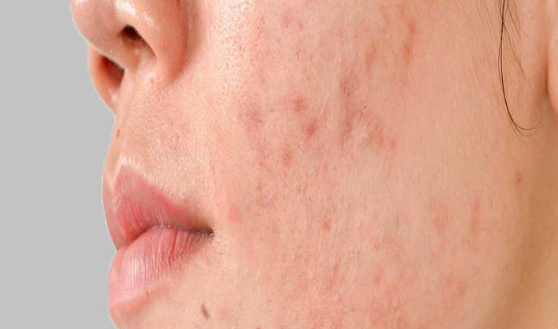
What To Do If Someone Has Acne Scars

  Acne scars are one of the most frequent facial disorders. Though acne is temporary, scars remain and serve as a reminder of the condition,...